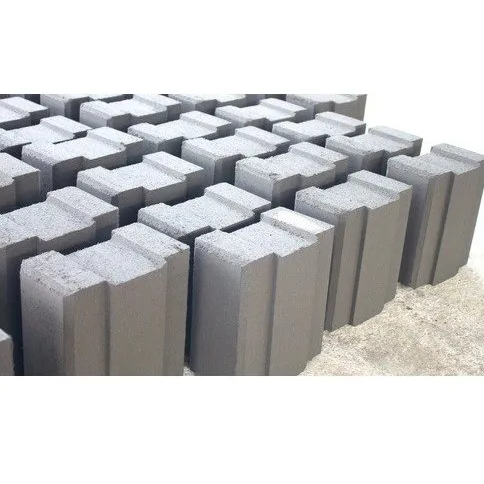
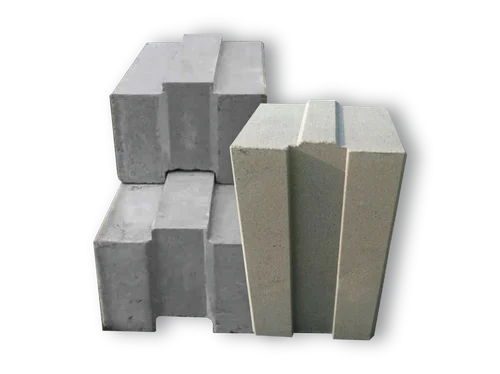
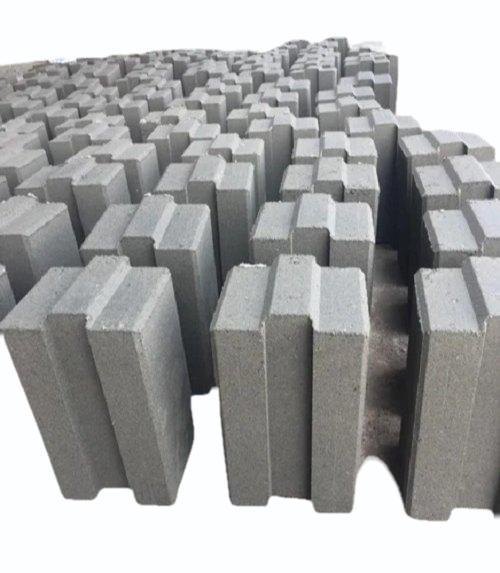
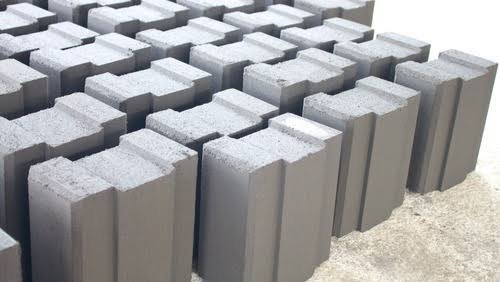
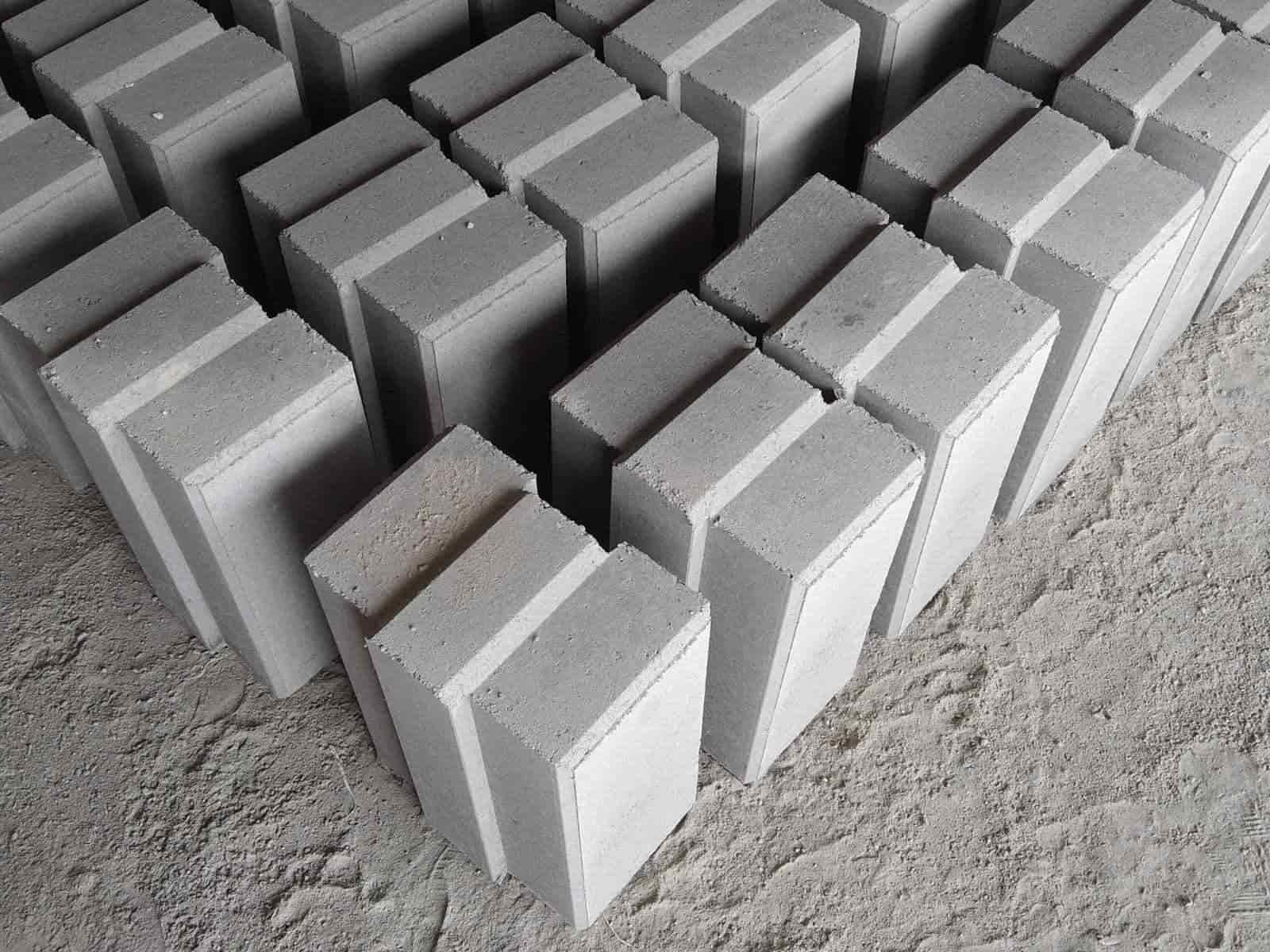
Cement Interlock 4 inch Bricks
- Materials: Typically made from a mix of cement, sand, and stone dust or soil.
- Compression: The mixture is compressed in a hydraulic machine to create dense, strong bricks.
- Curing: The bricks are cured for a period after manufacturing to ensure durability.
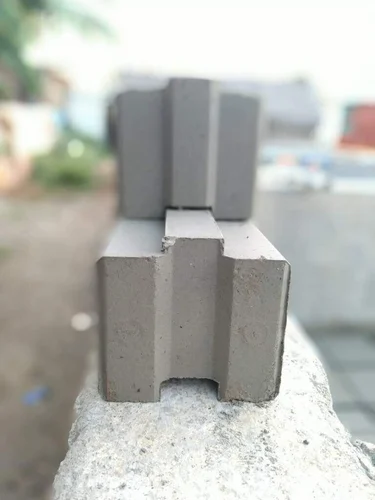
- Interlocking mechanism: Each brick has a projection on one side to fit into a depression on the next brick, creating a self-locking system.
Key features
- No mortar needed: The interlocking design allows for dry-laying, which eliminates the need for cement mortar between bricks.
- Fast construction: The self-locking feature allows for quicker wall building compared to traditional bricks.
- Versatile: Used for various types of construction and are available in different shapes and sizes.
- Cost-effective: Reduces costs by saving on cement and labor, and some walls may not require internal plastering.
Benefits
- Durability: They are durable, strong, and have a long lifespan when properly manufactured and maintained.
- Strength: The tight interlocking joints can provide better resistance to earthquakes than conventional brickwork.
- Eco-friendly: Considered a more eco-friendly alternative as some types use soil as a primary component.
- Thermal efficiency: The compressed structure and high density provide excellent thermal mass, helping to keep indoor temperatures cooler in hot climates and lowering energy bills.
- Aesthetic options: Once laid, the walls can be painted or polished without the need for an interior plaster finish.
- CATEGORY: Construction Bricks and Blocks
- SUB CATEGORY: Bricks